


Some error occured while loading the Quick View. Please close the Quick View and try reloading the page.
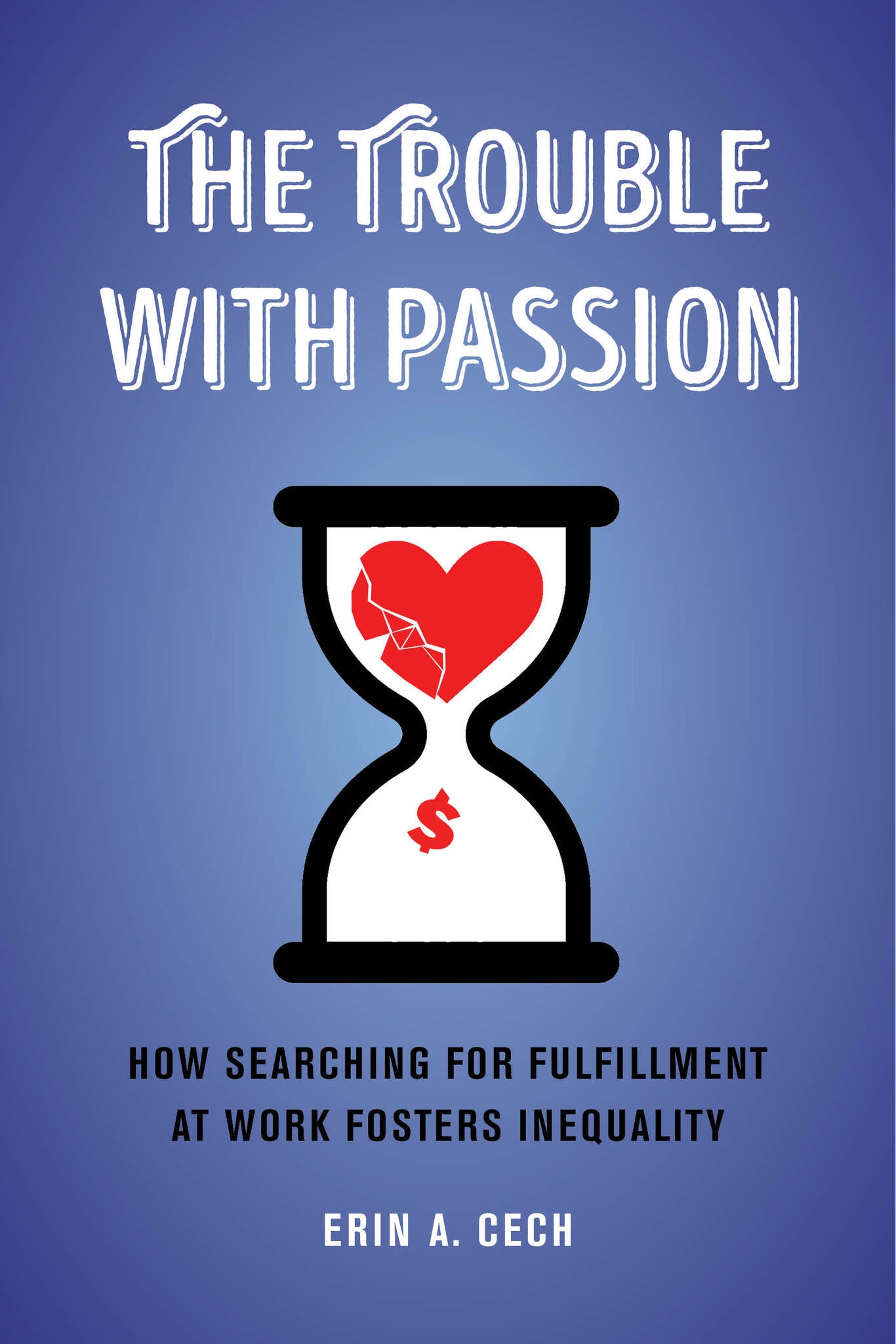
"Follow your passion" is a popular mantra for career decision-making in the United States. Passion-seeking seems like a promising path for avoiding the potential drudgery of a life of paid work, but this "passion principle"—seductive as it is—does not universally translate. The Trouble with Passion reveals the significant downside of the passion principle: the concept helps culturally legitimize and reproduce an exploited, overworked white-collar labor force and broadly serves to reinforce class, race, and gender segregation and inequality.
Grounding her investigation in the paradoxical tensions between capitalism's demand for ideal workers and our cultural expectations for self-expression, sociologist Erin A. Cech draws on interviews that follow students from college into the workforce, surveys of US workers, and experimental data to explain why the passion principle is such an attractive, if deceptive, career decision-making mantra, particularly for the college educated. Passion-seeking presumes middle-class safety nets and springboards and penalizes first-generation and working-class young adults who seek passion without them. The ripple effects of this mantra undermine the promise of college as a tool for social and economic mobility. The passion principle also feeds into a culture of overwork, encouraging white-collar workers to tolerate precarious employment and gladly sacrifice time, money, and leisure for work they are passionate about. And potential employers covet, but won't compensate, passion among job applicants. This book asks, What does it take to center passion in career decisions? Who gets ahead and who gets left behind by passion-seeking? The Trouble with Passion calls for citizens, educators, college administrators, and industry leaders to reconsider how we think about good jobs and, by extension, good lives.

"As the COVID-19 pandemic has prompted many people to contemplate the meaning of their work and life, this book offers particularly relevant insights for those wanting a career change to consider how they should make career decisions and the role work should play in their life. The Trouble with Passion should also be revelatory to people who potentially shape others’ career decisions, such as educators and career counselors; those who can influence the career outcomes of people in the labor market, such as hiring managers and organization leaders; and policymakers who have the power to rectify the structural factors producing the dark side of the passion principle in the first place. I would also recommend this book to social science scholars interested in careers, passion, the meaning of work, segregation, and inequality in general."
Preface
Introduction
1. What Is the Passion Principle?
2. Why Is the Passion Principle Compelling?
3. The Privilege of Passion? Passion-Seeking and Socioeconomic Inequality among Career Aspirants
4. The Passion Principle as Prescriptive and Explanatory Narrative? How the Passion Principle Choicewashes Workforce Inequalities
5. Exploiting Passion? The Demand Side of the Passion Principle
Conclusion
Epilogue
Acknowledgments
Appendix A: Methods
Appendix B: Supplemental Analysis of 2020 College Student Survey
Appendix C: Supporting Data
Notes
References
Index